 English
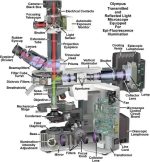
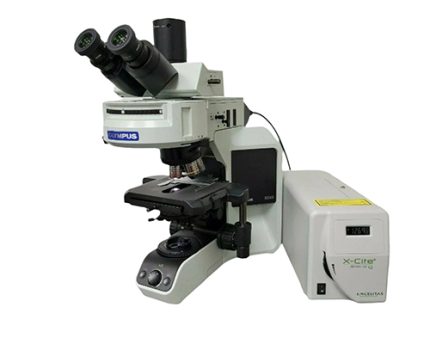
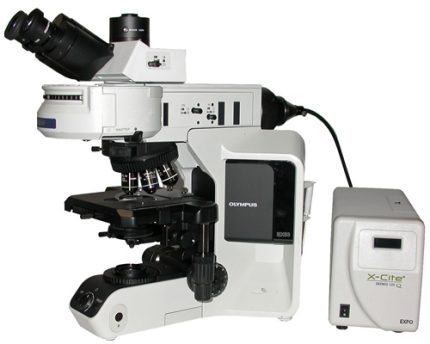
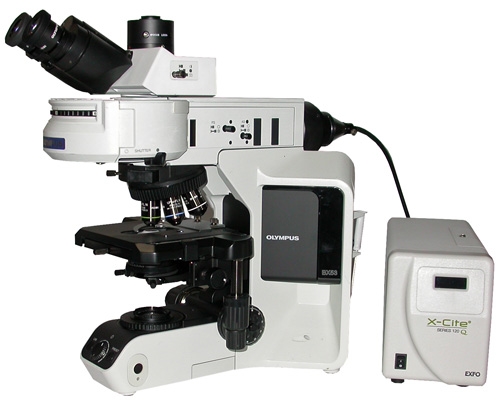
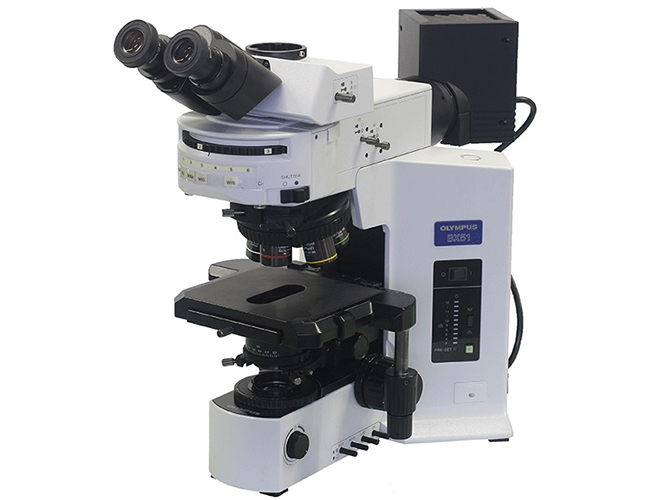
میکروسکوپ فلورسانس Olympus BX51
معرفی محصول
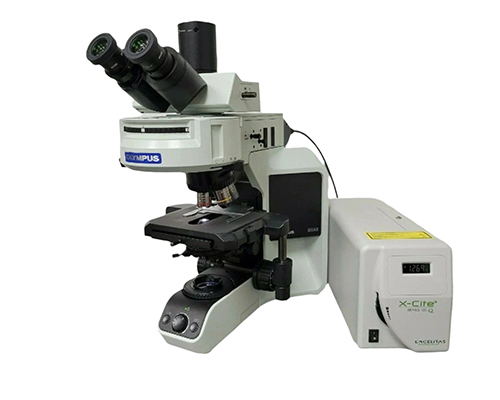
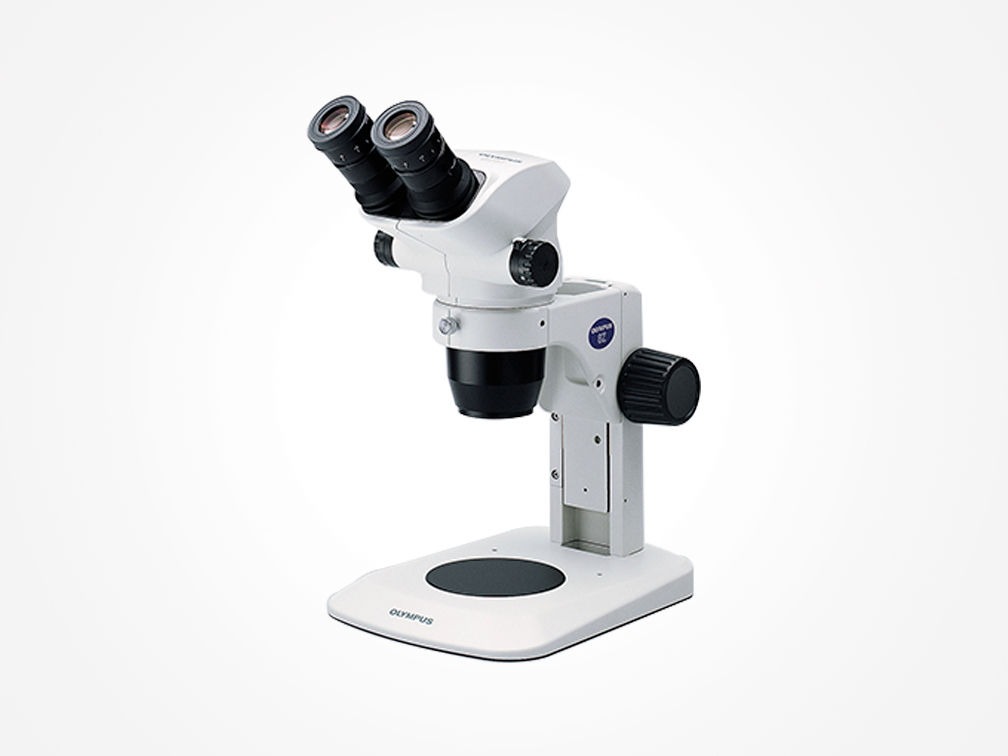
میکروسکوپ Olympus BX51 یکی از میکروسکوپهای تحقیقاتی حرفهای و پرکاربرد شرکت المپوس است که برای مشاهده و تصویربرداری از نمونههای زیستی با استفاده از نور عبوری و فلورسانس طراحی شده است. این مدل یکی از پلتفرمهای کلاسیک و بسیار معتبر در آزمایشگاههای تحقیقاتی سراسر دنیا محسوب میشود.
BX51 بهطور گسترده در حوزههای زیستشناسی سلولی و مولکولی، ژنتیک، پاتولوژی، سیتوژنتیک، میکروبیولوژی، تحقیقات پزشکی و آزمایشگاههای دانشگاهی و تشخیصی مورد استفاده قرار میگیرد.
این سیستم امکان مشاهده ساختارهای طبیعی سلولها را در حالت نوری و همچنین شناسایی دقیق مولکولها و توالیهای ژنتیکی نشاندار شده با رنگهای فلورسنت را با وضوح بالا فراهم میکند.
طراحی ماژولار و حرفهای
Olympus BX51 دارای طراحی ماژولار است و میتواند بسته به نیاز کاربر با اجزای مختلف پیکربندی شود. این ویژگی باعث میشود سیستم هم برای کاربردهای آموزشی پیشرفته و هم برای تحقیقات تخصصی بسیار مناسب باشد.
امکان ارتقاء بخشهای مختلف مانند منبع نور، فیلترهای فلورسانس، دوربین و نرمافزار در BX51 وجود دارد، بدون اینکه نیاز به تعویض کل میکروسکوپ باشد.
فیلترهای فلورسانس (کانالها)
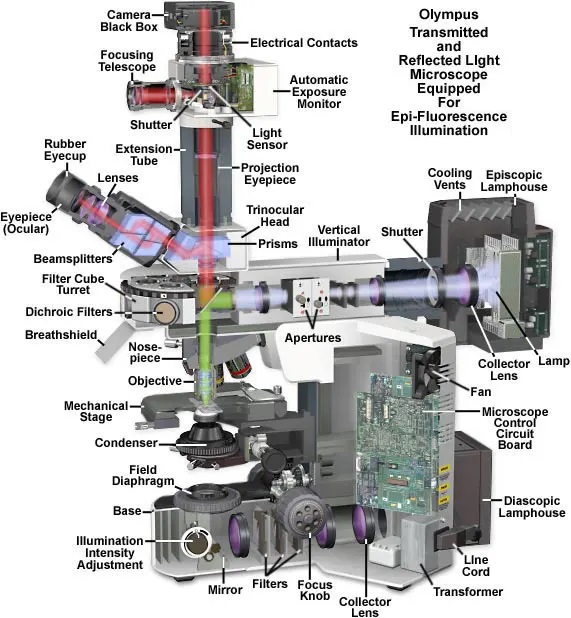
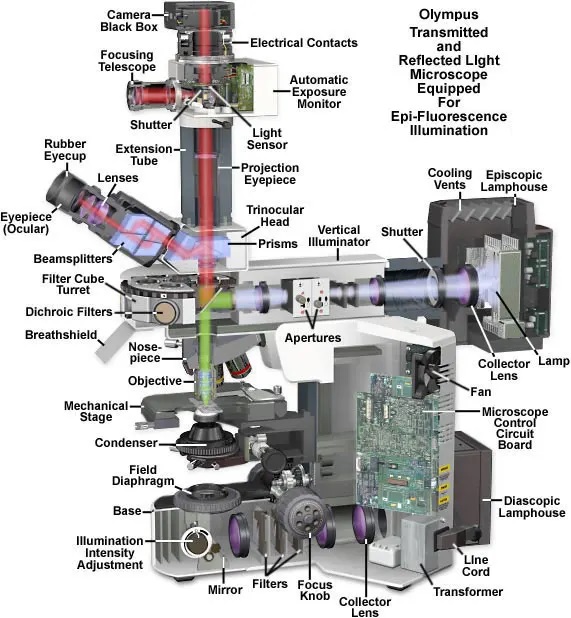
BX51 از چندین مکعب فیلتر فلورسانس پشتیبانی میکند (معمولاً ۳ تا ۶ موقعیت در برجک فیلتر)، که امکان تصویربرداری چندکاناله را فراهم میسازد.
فیلترهای رایج شامل:
DAPI (آبی) – رنگآمیزی هسته
FITC / GFP (سبز)
TRITC / Cy3 (قرمز-نارنجی)
Texas Red
Cy5 / Alexa Fluor 647
فیلترهای تخصصی برای CFP و YFP
🔹 این فیلترها امکان شناسایی همزمان چندین هدف مولکولی را در یک نمونه فراهم میکنند.
منابع نوری
BX51 میتواند به منابع نوری مختلف مجهز شود:
برای نور عبوری:
لامپ هالوژن با شدت قابل تنظیم
برای فلورسانس:
لامپ جیوه (Mercury Lamp)
لامپ متال هالید
لامپ زنون
سیستمهای LED فلورسانس
این تنوع منابع نوری باعث میشود BX51 برای طیف گستردهای از رنگهای فلورسانس از DAPI تا Cy5 کاملاً مناسب باشد.
کاربرد ویژه در تکنیک FISH
یکی از مهمترین کاربردهای میکروسکوپ Olympus BX51 استفاده در تکنیک FISH (Fluorescence In Situ Hybridization) است.
در روش FISH، از پروبهای فلورسنت برای شناسایی و مکانیابی توالیهای خاص DNA یا RNA در داخل سلول یا کروموزوم استفاده میشود.
BX51 با داشتن:
اپتیک با کیفیت بالا
فیلترهای دقیق فلورسانس
کنتراست عالی
امکان تصویربرداری چندکاناله
یک گزینه بسیار ایدهآل برای آزمایشهای:
سیتوژنتیک
تشخیص ناهنجاریهای کروموزومی
تشخیص سرطانها
بررسی جهشهای ژنتیکی
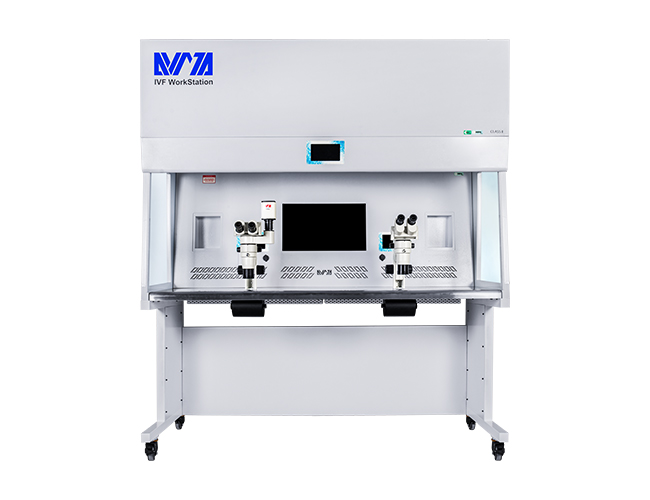
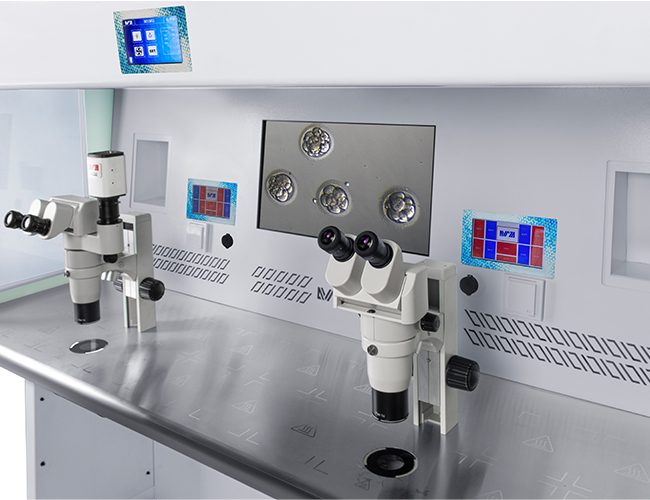
آزمایشهای ناباروری و IVF
محسوب میشود.
ویژگیهای کلیدی
1. تصویربرداری فلورسانس چندکاناله
مشاهده همزمان چند پروب فلورسنت در یک نمونه.
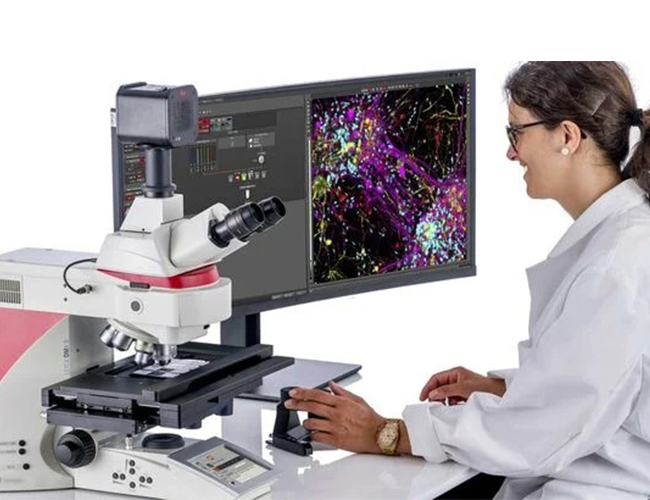
2. سازگاری با دوربین دیجیتال
قابل اتصال به دوربینهای CCD و CMOS برای:
ثبت تصاویر با وضوح بالا
مستندسازی نتایج FISH
آنالیز تصویر با نرمافزارهایی مانند ImageJ و cellSens
3. کیفیت اپتیکی عالی
استفاده از لنزهای حرفهای Olympus با:
وضوح بسیار بالا
تفکیکپذیری عالی
بازتولید دقیق رنگ
4. قابلیت ارتقاء
امکان افزودن:
فیلترهای جدید
منابع نور قویتر
سیستمهای تصویربرداری پیشرفته
کاربردها
تکنیک FISH و Cytogenetics
زیستشناسی سلولی و مولکولی
ژنتیک پزشکی
پاتولوژی و هیستولوژی
تحقیقات سرطان
آزمایشگاههای تشخیصی و تحقیقاتی